
For a first Luxor visit, prioritise Karnak and Luxor Temple on the East Bank, then choose a focused West Bank route that matches your time, pace, and interests. Luxor has enough archaeology for several days, so a good itinerary is not the one with the longest list. It is the one that gives each major place enough time to make sense.
Karnak and Luxor Temple form the essential East Bank introduction. Across the Nile, the West Bank adds royal tombs, mortuary temples, and the desert landscape of ancient Thebes. Treating these as two different experiences creates a more coherent visit and avoids turning Luxor into a sequence of hurried photo stops.
Which Luxor temples should a first-time traveller prioritise?
Karnak Temple is the first priority for most travellers. It is a large ceremonial complex rather than a single building, and its scale rewards an unhurried visit with a knowledgeable guide. The Great Hypostyle Hall is the most recognisable space, but the processional route, courtyards, obelisks, chapels, and sacred lake help explain why Karnak was central to ancient Thebes.
Luxor Temple is the natural second East Bank stop. It is closer to the modern city and was historically connected to Karnak by the Avenue of Sphinxes. It works especially well later in the day, when the light becomes softer and the setting feels different from Karnak’s monumental morning atmosphere.
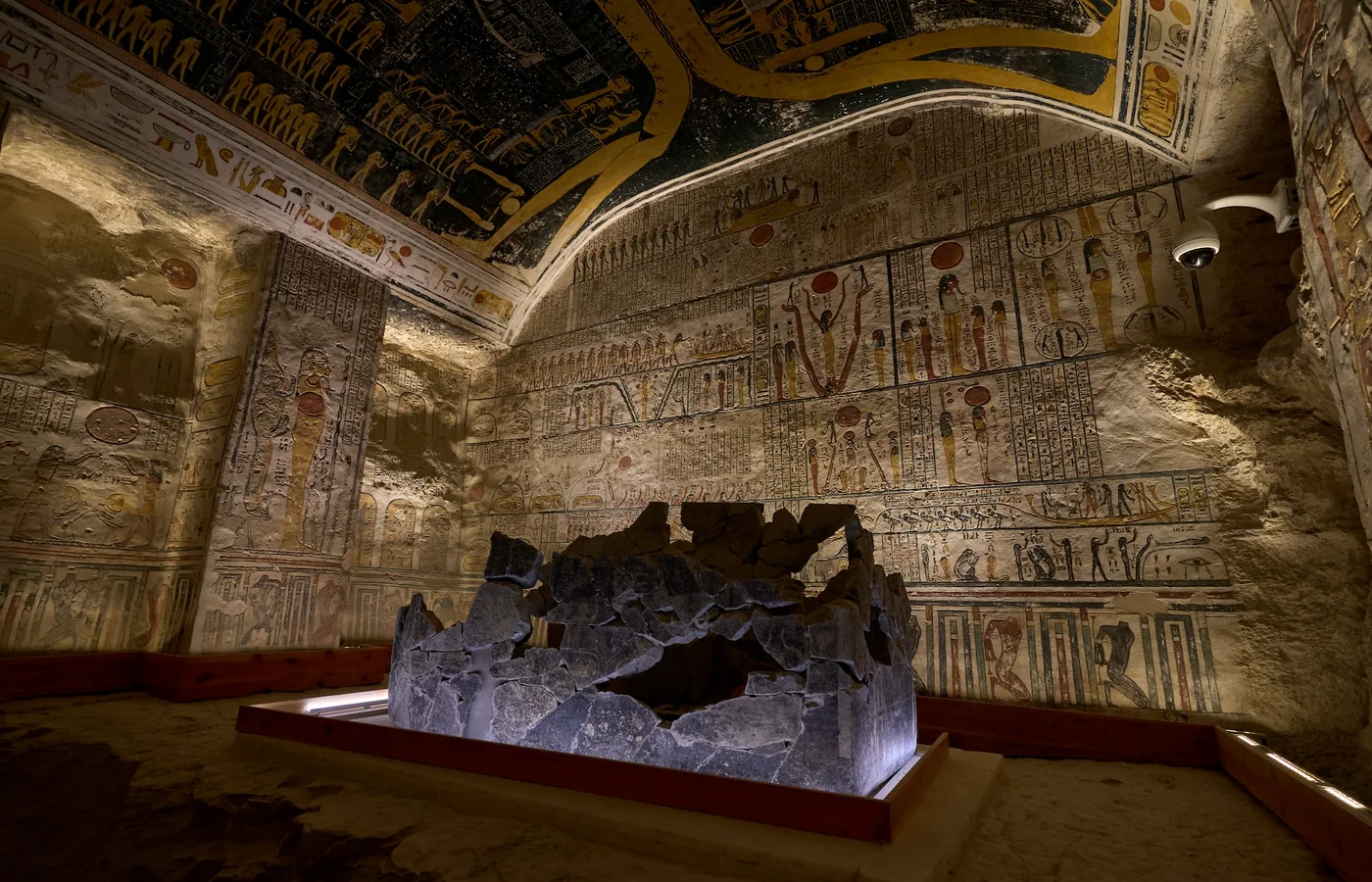
On the West Bank, the Temple of Hatshepsut at Deir el-Bahari is the most visually distinctive first-visit choice. Medinet Habu is excellent for travellers who want well-preserved reliefs and a calmer temple experience. The Valley of the Kings is not a temple, but it belongs in the same West Bank planning decision because its decorated royal tombs are often the main reason for crossing the Nile.
Quick comparison for a first Luxor visit
| Place | What it adds | Best fit |
|---|---|---|
| Karnak Temple | Scale, ritual history, monumental architecture | Essential for nearly every first visit |
| Luxor Temple | City setting, atmosphere, connection to Karnak | East Bank afternoon or evening |
| Valley of the Kings | Decorated royal tombs and New Kingdom burial history | Core West Bank route |
| Temple of Hatshepsut | Iconic architecture in a dramatic cliff setting | First-time West Bank visit |
| Medinet Habu | Detailed reliefs and a quieter temple experience | Second West Bank day or deeper route |
Can you see Luxor in one day?
Yes, but one day requires a deliberate selection. A balanced first day can combine Karnak and Luxor Temple with a concise West Bank route, but it should not try to include every major tomb and temple. Crossing the Nile, entrance procedures, heat, walking, and the time needed to understand the sites all affect the real pace.
With two days, the experience improves significantly. One day can focus on the East Bank and the other on the West Bank. This gives the guide time to connect the monuments historically and gives travellers room for rest, photography, or an evening along the Nile.
How should the sightseeing be ordered?
In warmer months, an early start protects comfort. Many routes begin on the West Bank or at Karnak, then pause during the strongest heat. Luxor Temple can work well later in the day. The exact order should still be checked against current site access, hotel location, seasonal daylight, and any special tomb or museum plans.
A private route should minimise repeated river crossings and unnecessary driving. Travellers staying on the East Bank may prefer to group Karnak and Luxor Temple together. Those staying on the West Bank can begin close to the tombs and temples before the larger visitor flow arrives.
Which plan suits families, older travellers, and luxury trips?
Families and older travellers usually benefit from fewer sites with clearer rest points. Tomb access can involve steps, uneven ground, and warm enclosed spaces, so the selected tombs should match the guests’ mobility and comfort. For luxury Egypt tours, the itinerary should not simply add more entrances. It should use better timing, a comfortable vehicle, an excellent guide, and enough space between visits.
Travellers with a strong archaeology interest can add Deir el-Medina, the Valley of the Queens, the Ramesseum, or additional tombs as separately planned extensions. These are valuable when they deepen the story, but they should not be inserted automatically into every first visit.
How does Luxor fit into a wider Egypt itinerary?
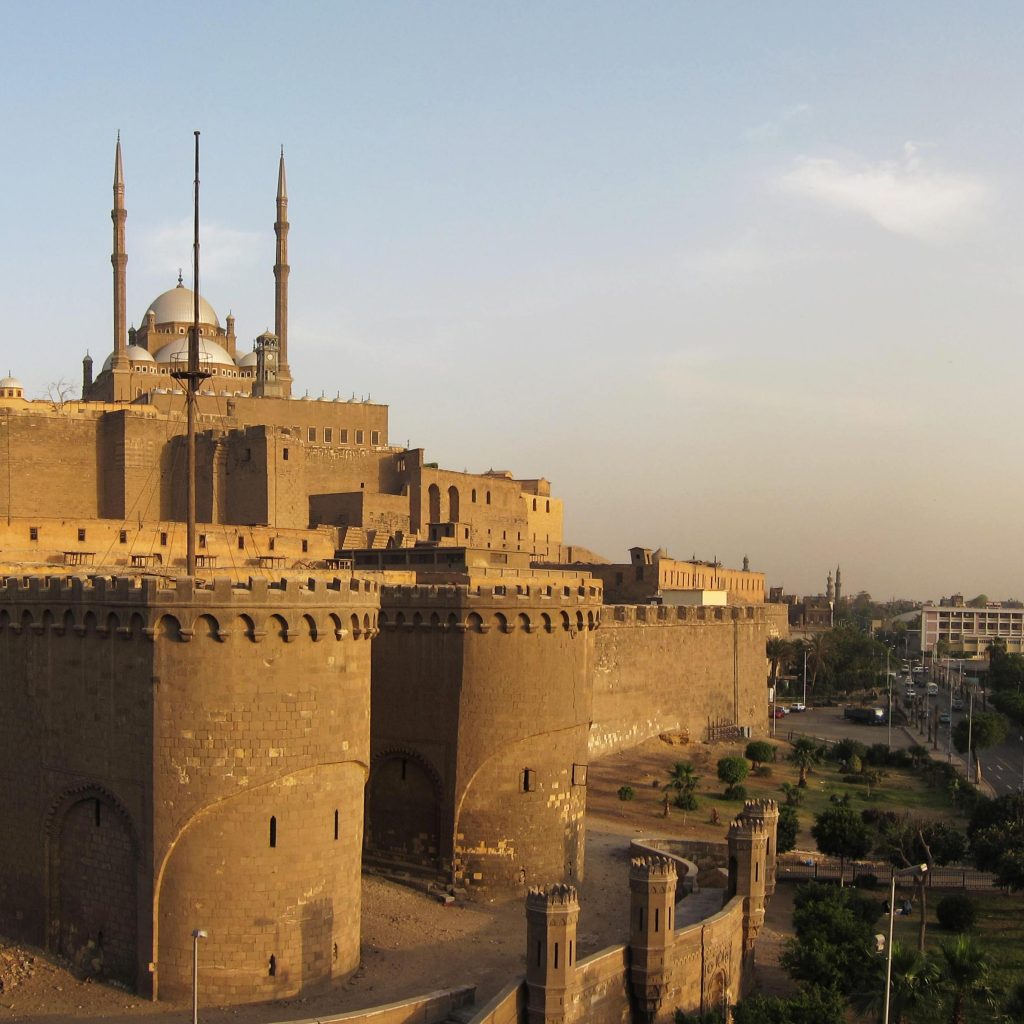
Luxor complements Cairo rather than repeating it. Cairo introduces the pyramids, major museums, and the capital’s layered history; Luxor provides concentrated New Kingdom temples and tombs. Our Cairo and Luxor itinerary guide explains how to divide the days between both cities without using exhausting same-day sightseeing.
When you are ready to compare private experiences, explore our Luxor tours. The final route should always be checked against current opening arrangements, selected tomb access, travel season, and the pace of the people travelling.




Post Discussion