
For a first trip that combines Cairo with Luxor and Aswan, start with October to April. November to February generally gives you the mildest sightseeing days. March, April and October can still work well, though afternoons in Upper Egypt can be warm.
That answer matters because Egypt is a trip where climate and route logic work together. Long archaeological visits, intercity transfers, river cruising, and sunrise or sunset touring all feel different depending on the season. The best timing is not only about whether the weather is pleasant. It is about whether the whole trip rhythm still feels enjoyable by day four, five, or six.
Why October to April works so well for a first trip
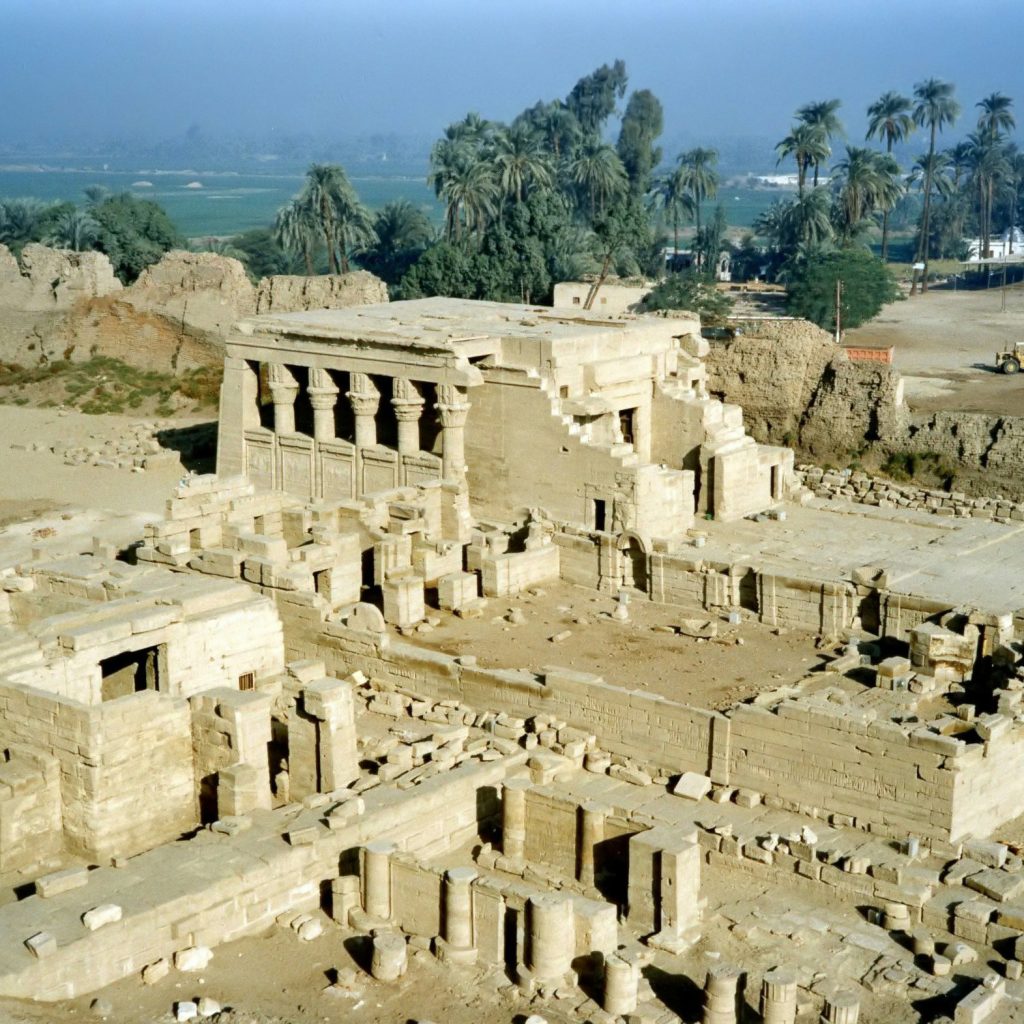
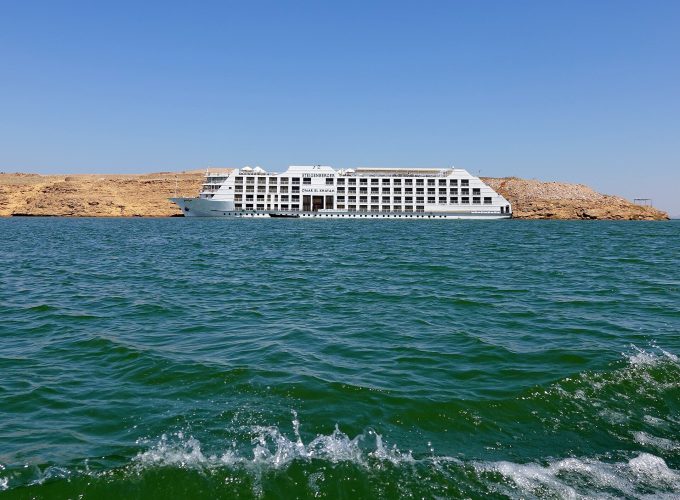
This is usually the easiest season for first-time travellers because the classic Egypt route relies heavily on outdoor time. Cairo and Giza often involve long hours at open sites. Luxor and Aswan are full of temples, tombs, and river excursions. A Nile cruise is not only about the ship itself, but also about how comfortable the sightseeing feels when you stop.
When daytime conditions are easier to manage, travellers often enjoy more of what they planned to see instead of spending energy simply coping with heat. That is one reason why this season usually works especially well for people comparing Egypt travel packages or trying to shape a classic first journey with Cairo and Upper Egypt together.
Quick season guide
Swipe or scroll sideways to compare the columns.
| Season | Usually Best For | Main Tradeoff |
|---|---|---|
| November to February | Cairo, Upper Egypt and a Nile cruise with more time outdoors | Pack a light layer for cooler mornings and evenings. Check availability for Christmas and New Year separately. |
| March to April and October | A first trip with a mix of city sights, temples and river time | Plan longer outdoor visits for the morning if your itinerary goes as far south as Luxor or Aswan. |
| May and September | A lighter sightseeing schedule or a trip with more time at the Red Sea | Upper Egypt can still be hot. Compare actual prices and availability for your dates. |
| June to August | Resort time, museum visits and shorter sightseeing days | Start outdoor visits early and leave the hottest hours free, particularly in Luxor and Aswan. |
When shoulder season can still be a very good choice
May and September can work if you have some flexibility, but both can be hot in Upper Egypt. Give outdoor visits an early start and leave time to rest after lunch. Check hotel and cruise prices for your exact dates.
That may mean building in a gentler pace, reducing the number of long outdoor site days in a row, or using a more tailored route rather than a fixed itinerary. For travellers who already know they want more control over the pace, tailor-made Egypt travel often becomes more attractive at this stage because the whole route can be adjusted around energy levels, hotel choices, and sightseeing priorities.
Is summer always the wrong time to visit Egypt?
No. Summer is not automatically wrong. It is simply less ideal for many first-time travellers who want to do a lot of open-air sightseeing across several destinations. If the trip is kept lighter, slower, and more selective, summer can still be worthwhile. The problem usually comes when travellers try to keep the same busy classic route they would choose in the cooler season.
In summer, visit the open sites early and use the middle of the day for a museum, lunch or a rest. If you add the Red Sea, keep the beach days separate from long sightseeing transfers. Compare Egypt packages with a Red Sea stay in Hurghada to see where the beach days fit.
How timing changes by trip style
The best season is not exactly the same for every traveller. A couple building a more refined private trip may care most about comfort and atmosphere. A family may care more about pacing and how children handle long days outdoors. A first-time traveller focused mainly on history may accept more movement if it helps fit Cairo, Luxor, and the Nile into one route.
That is why the season should be matched to the route, not chosen in isolation. If your plan is tightly built around temples, tombs, and a river cruise, cooler sightseeing months usually have the strongest advantage. If the trip is broader, slower, and more flexible, more than one season may still work well.
What about Ramadan, holidays, and current travel details?
Ramadan can affect restaurant hours and daily schedules. Check the sites and meals on your route for your dates. If you plan to travel around Christmas or New Year, check hotel and sailing availability before you fix the order of your trip.
So when should most travellers go?
Choose November to February if cooler weather is your priority. March, April and October also give you room to combine Cairo and Upper Egypt, especially if you keep the longer temple visits in the morning.
Once the season feels clearer, the next step is to decide how much time you want in the country and what shape the route should take. A good place to continue is how many days you need in Egypt, then a first time Egypt itinerary once you are ready to compare the route itself.
Visiting Cairo too? Our private Giza Pyramids and Grand Egyptian Museum tour pairs the plateau with a museum visit on the same day. Check the itinerary and ticket inclusions before booking.
Once you have chosen your dates, compare the best temples in Luxor for a first visit and see how to divide the main sights over one or two days.
If your dates are flexible
Choose the cooler months if you want several full sightseeing days. If your dates fall in a hotter month, leave more time for museums, breaks and the Red Sea. For a Nile cruise, check the sailing day before you book the rest of the route.
Compare sailing options inside our Egypt packages with Nile cruise.



Post Discussion