
The best Luxor West Bank route beyond the Valley of the Kings combines the Valley of the Queens, Medinet Habu, Deir el-Medina and the Ramesseum. Together, these sites tell a fuller New Kingdom story: royal burial, temple ritual, the people who built the tombs, and the legacy of Ramesses II.
This is not the right route for someone trying to see every classic Luxor landmark in one day. It suits travellers who have already chosen, or deliberately want to skip, the Valley of the Kings and Hatshepsut Temple in favour of a quieter, more connected archaeological day.
Is this route better than the classic Valley of the Kings tour?
Neither route is automatically better. The classic route is the strongest introduction for many first-time visitors because it includes the most familiar royal tomb valley. This deeper West Bank route is better for travellers who want varied site types, less repetition, and more context about the people and places behind the royal monuments.
| Route | Best for | What it emphasises |
|---|---|---|
| Classic West Bank | First-time visitors with limited time | Valley of the Kings, Hatshepsut and headline monuments |
| Deeper West Bank | History-minded travellers and return visitors | Queens, artisans, Ramesside temples and a quieter rhythm |
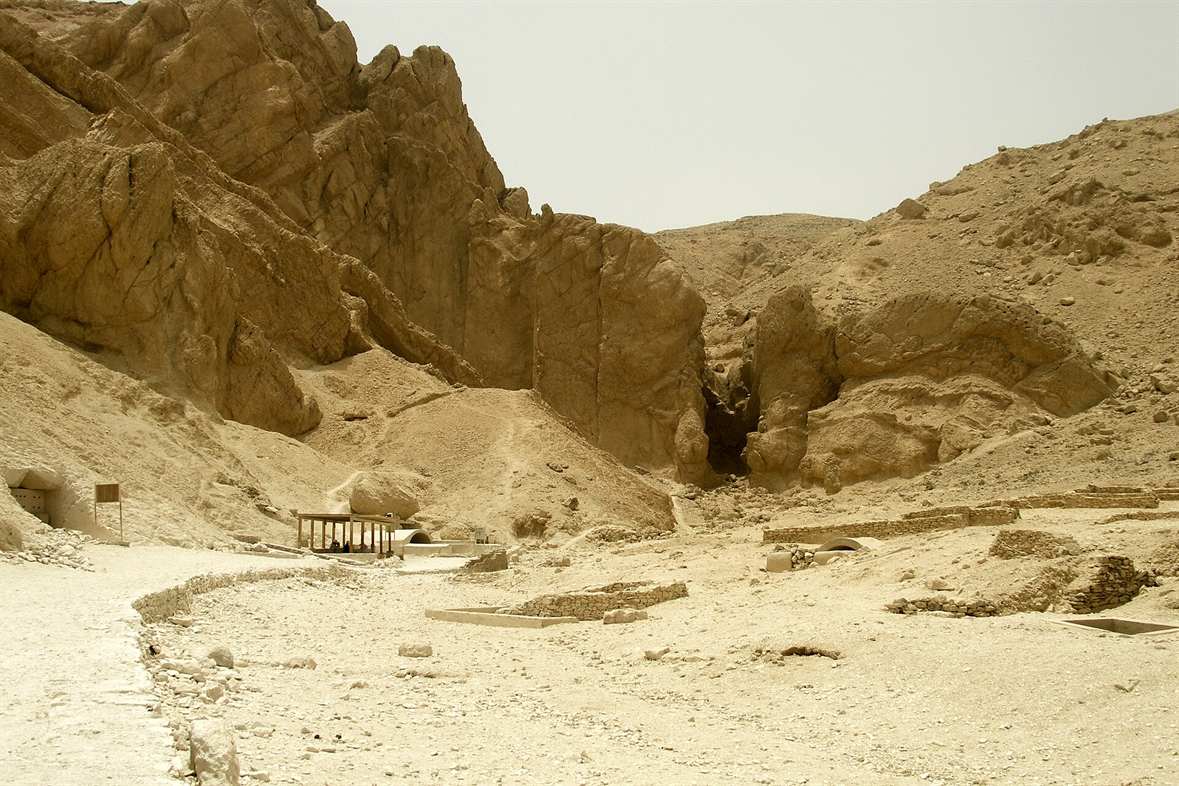
Valley of the Queens: royal tombs with a different perspective
The Valley of the Queens is the natural starting point when you want a tomb-focused morning without repeating the Valley of the Kings. It was used for queens, princes and other members of the royal household, so it broadens the story beyond the pharaohs themselves. The standard ticket and open tomb rotation can change, while special tombs require separate confirmation.
Medinet Habu: the West Bank temple to prioritise
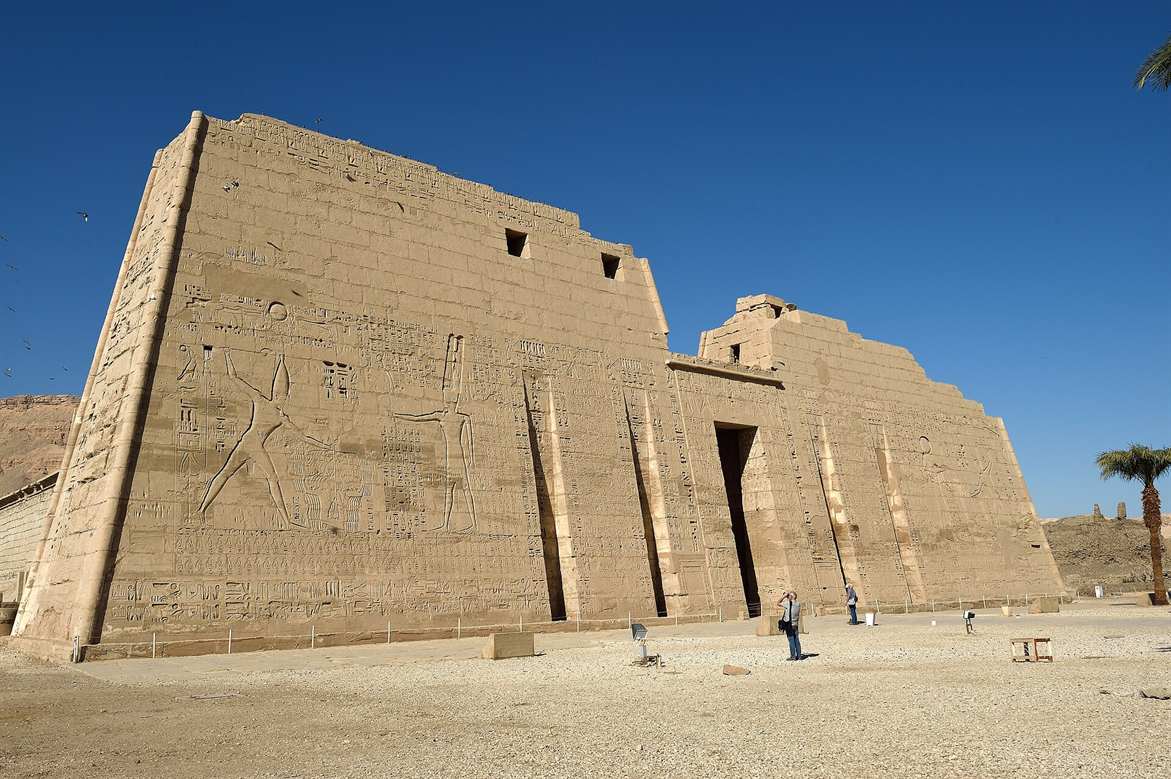
Medinet Habu is the mortuary temple of Ramesses III. For many travellers, its surviving colour, large courts and detailed reliefs make it one of the most rewarding temples in Luxor. It is a strong choice when you want a temple visit that feels substantial without the scale and visitor flow of Karnak.
Deir el-Medina: where the royal tomb builders lived
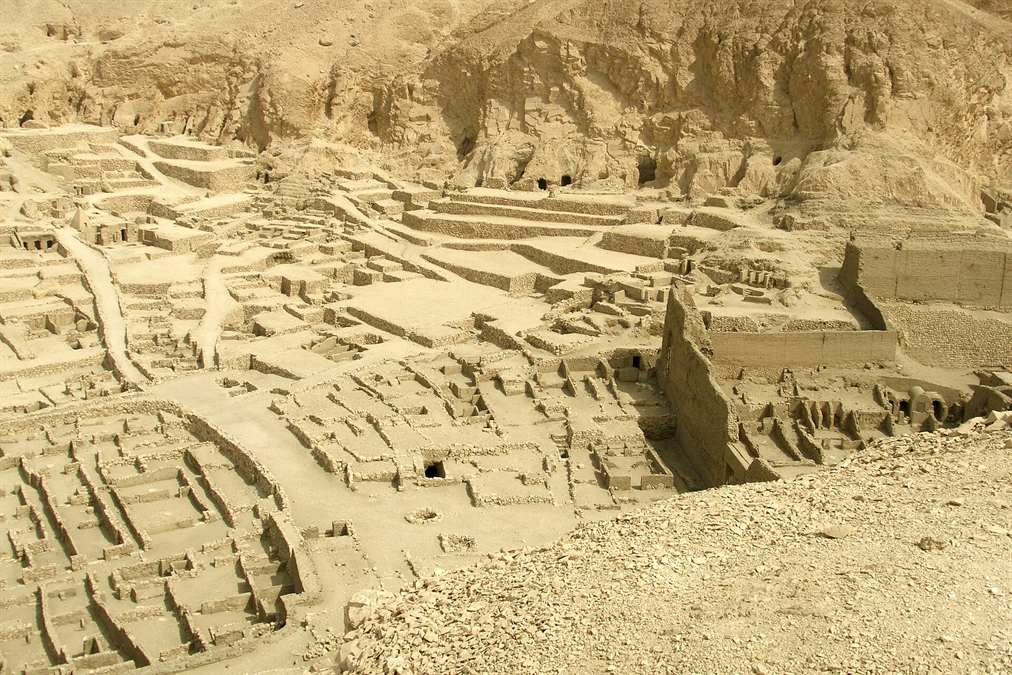
Deir el-Medina gives the route its human scale. This was the settlement of the skilled workers who created and decorated royal tombs. The village and visitor route help connect the tombs of the valleys with the working lives, families and craftsmanship behind them. It is especially valuable for travellers who want archaeology to feel less like a list of rulers and more like a lived place.
The Ramesseum: Ramesses II at a calmer pace
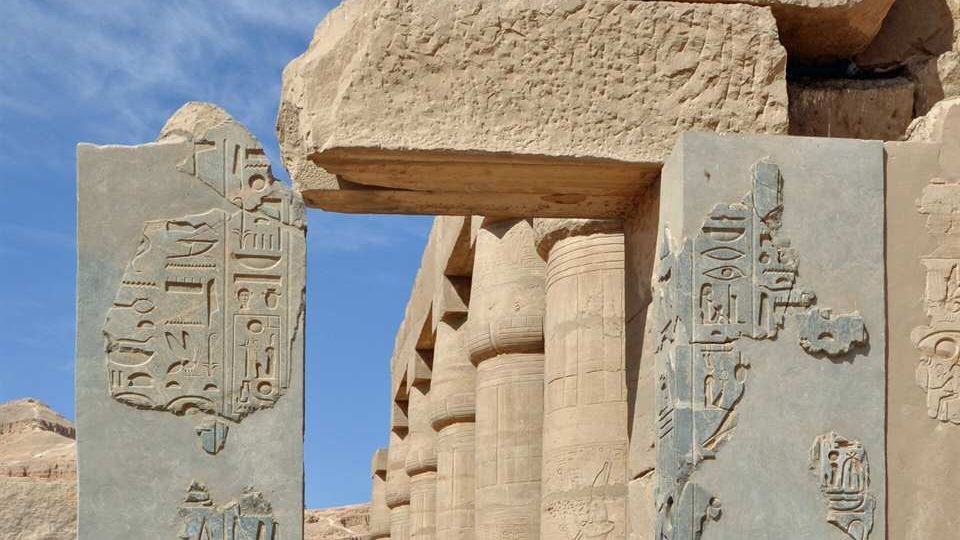
The Ramesseum is the memorial temple of Ramesses II. Its fallen colossus, fragments, reliefs and surviving columns make it an evocative final stop rather than a rushed add-on. It works well after the more enclosed tomb and village visits because it brings the route back to monumental architecture and the scale of Ramesside royal building.
How should you plan the day?
Allow a full day if you want to visit all four sites without reducing each stop to a photo break. An early start is usually more comfortable in warmer months. The final order should respond to current access, traffic, heat and the location of your hotel or Nile cruise, but the route works best when the sites are treated as one connected West Bank day rather than scattered extras.
Use a separate day for Karnak, Luxor Temple, the Valley of the Kings or Hatshepsut if those are priorities. Trying to combine every West Bank monument with the East Bank in one day usually removes the depth that makes this alternative route worthwhile.
Who should choose this Luxor West Bank route?
- Travellers returning to Luxor or looking beyond the standard headline route.
- History-minded guests who want royal, religious and everyday-life context in one day.
- Visitors who prefer a more measured private itinerary over a maximum-sights checklist.
- Families or older travellers who prefer a fixed, coherent route with room for lunch and rest.
For a private, guided version of this route with hotel or Nile-cruise pickup, standard admissions, lunch and bottled water, see our Valley of the Queens, Medinet Habu and Ramesseum tour. If you are still choosing between broader Luxor options, start with our Luxor day tours.

Post Discussion