
What to wear in Egypt depends on the season and your route, but for most travellers the best approach is light, comfortable clothing for daytime sightseeing plus a few modest and practical layers for cities, temples, cruises, and cooler evenings. The goal is not to overcomplicate the wardrobe. It is to stay comfortable, respectful, and well prepared for long walking days.
Because many trips combine Cairo with Upper Egypt, clothing choices work best when they can handle both hot outdoor archaeology and more polished evening settings. That is why practical layering usually works better than packing around one single temperature or one single city mood.
Quick packing guide
| Item Type | Why It Helps | Best Use |
|---|---|---|
| Lightweight breathable clothing | Keeps daytime sightseeing more comfortable | Cairo, Giza, Luxor, Aswan, open archaeological sites |
| Comfortable walking shoes | Supports long site visits and uneven walking surfaces | Daily touring |
| Light layer or scarf | Useful for evening changes, air conditioning, and modest coverage | Cities, cruise evenings, mixed settings |
| Sun protection | Reduces fatigue on exposed sightseeing days | Open-air sites and river travel |
What usually works best for most travellers
Lightweight daytime clothing, comfortable walking shoes, sun protection, and a few extra layers for air-conditioned spaces or cooler evening shifts usually cover most trips well. If the itinerary includes the Nile, the same logic still applies. The best wardrobe is usually the one that stays practical first and polished second.
You do not need a complicated packing strategy to dress well for Egypt. You need a thoughtful one that matches the real rhythm of the route.
Why modest practicality usually feels better
Egypt is not a destination where travellers need to feel anxious about every outfit choice, but modest practicality usually helps you feel more comfortable across mixed settings. It also suits the reality of long sightseeing days, hotel changes, transport movement, and open archaeological sites where comfort matters more than fashion ambition.
For many travellers, the best wardrobe decisions are the ones that reduce friction rather than create it. If you feel comfortable and appropriately dressed across different settings, the trip tends to feel easier overall.
How the season changes what you pack
The cooler sightseeing months usually make layering easier, while hotter months shift the balance more strongly toward breathable fabrics and lighter daytime clothing. The best packing list for winter is not exactly the same as the best list for late spring or summer, even if the route itself is similar.
If you are still deciding the season, read the best time to visit Egypt before you pack around assumptions. Clothing works best when it follows the trip timing, not the other way around.
What to wear for temples, tombs, and city sightseeing
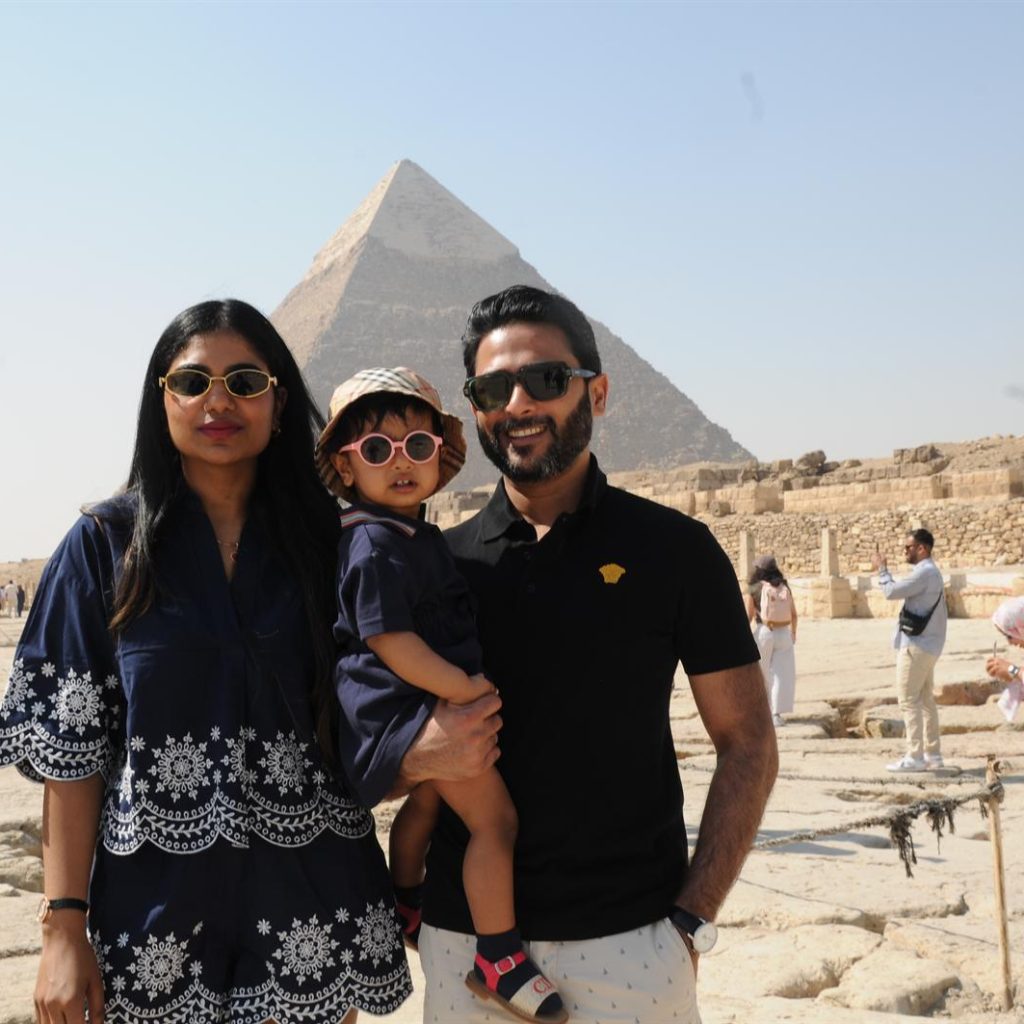
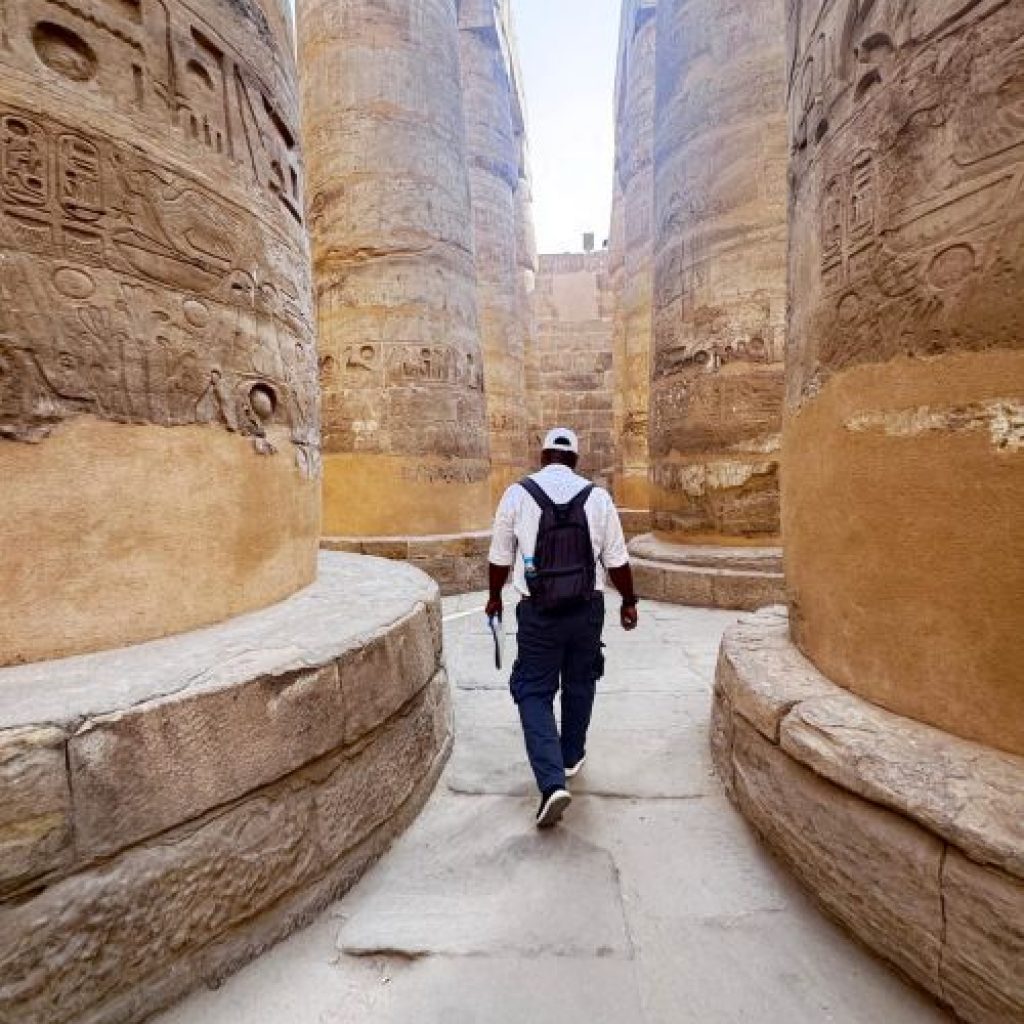
For most sightseeing days, the priority is easy movement, sun readiness, and clothing that still feels comfortable in mixed cultural settings. The best site outfit is usually simple: breathable clothing, reliable shoes, and one light extra layer if the day begins early, ends late, or moves through strongly air-conditioned spaces.
This is especially useful on itineraries that combine city touring with long archaeological days, because your clothing has to handle more than one kind of environment.
What to wear on a Nile cruise
On a Nile cruise, the same practical rules still apply, but the evening mood may feel a little more relaxed and polished. That usually means travellers are happiest when they pack daytime sightseeing clothes plus a few slightly nicer but still comfortable evening options. There is no need to turn the cruise into a formalwear exercise unless you personally want that style.
The most successful cruise packing is usually calm and versatile rather than overdesigned.
What most travellers should avoid
The biggest mistake is packing for a fantasy version of the trip instead of the actual one. Heavy, impractical clothing, uncomfortable shoes, or outfits that only work in one setting usually create more frustration than benefit. Another mistake is ignoring temperature variation between daytime sightseeing, evenings, transport, and interior spaces.
Egypt trips often involve more walking and more exposed outdoor time than first-time travellers expect. Pack for that reality first.
What matters most
The best clothing plan is the one that matches the route you are actually taking. A tighter Cairo-and-sites itinerary, a Nile cruise, and a wider multi-stop trip do not all feel the same day to day. If your wardrobe supports the pace, weather, and sightseeing style of your route, it is probably the right one.
If you want help shaping the whole trip rather than only the packing list, the best next step is usually Egypt travel packages for route comparison or tailor-made Egypt travel for a more personalised plan.


Post Discussion